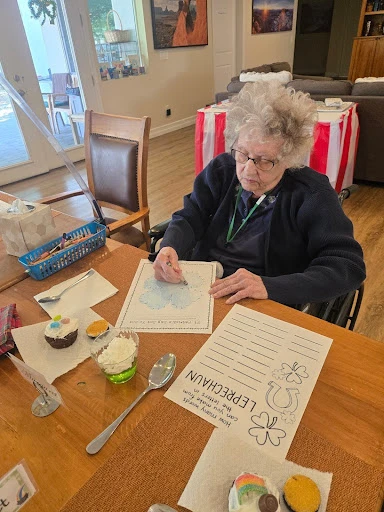

Watching a loved one struggle with memory and daily tasks can be stressful and confusing. Families often face the challenge of providing the right support while keeping their loved one safe and independent. Memory care offers specialized assistance in a safe and supportive setting designed for these needs.
Understanding when is memory care needed can help families make confident decisions. Paying attention to changes in memory, behavior, and daily abilities ensures that your loved one gets the care they need immediately. This guide will help you recognize the signs and explore the benefits of memory care.
Understanding Memory Care
Memory care provides specialized support for individuals experiencing memory loss or cognitive difficulties. Unlike standard assisted living facilities, these facilities offer structured routines, trained staff, and programs designed to address cognitive needs while promoting safety, engagement, and independence.
Identifying early signs of cognitive changes allows families to respond before difficulties escalate. Knowing when memory care is needed ensures your loved one receives the right support, making daily life safer, more comfortable, and less stressful for everyone involved.
Common Signs That Memory Care Is Needed
Families often ask how do you know when someone needs memory care or when does someone need memory care. Here are common signs to watch for:
- Frequent Forgetfulness or Confusion: Everyone forgets things occasionally, but regularly leaving appliances on, missing appointments, or getting lost in familiar places may indicate the need for memory care.
- Difficulty with Daily Tasks: Struggling with routine activities such as cooking, managing bills, or personal care may indicate that additional support is necessary. Memory care provides help while still encouraging independence.
- Safety Concerns at Home: Falls, wandering, or leaving stoves on are just some of the situations that can cause accidents at home. Memory care facilities are equipped to prevent these and keep residents safe.
- Changes in Mood or Personality: Becoming anxious, irritable, confused, or withdrawn from social activities may indicate the need for professional support.
- Social Isolation: Avoiding friends, hobbies, or activities may show a need for a more supportive environment. Memory care offers social and recreational opportunities to help residents stay engaged and happy.
Observing these changes early helps answer the question how to know when it’s time for memory care and allows families to plan a transition before a crisis occurs.
Key Considerations for Timing the Transition
Deciding when is memory care needed depends on several practical and emotional factors. Families can look at the following areas to determine the right time for a move:
- Behavioral Changes: Increased confusion, wandering, aggression, or anxiety can become difficult to manage at home, therefore requiring professional help who are equipped to support these changes.
- Level of Supervision: If a loved one needs frequent reminders or physical help with daily tasks, specialized care may be necessary.
- Home Safety: Homes with stairs, unsecured kitchens, or no round-the-clock support can become unsafe for someone with memory challenges.
- Caregiver Stress: Providing constant care can be exhausting. If family members feel overwhelmed or unable to maintain safety, memory care becomes an important option.
- Medical Needs: Many individuals with memory-related conditions also have other health concerns. Memory care facilities can manage medications, monitor changes, and coordinate with healthcare providers.
Benefits of Transitioning to Memory Care
Moving a loved one to a memory care facility can have many positive effects. Some of the main benefits include:
- Structured Routine: Regular meals, activities, and therapy help reduce confusion and provide stability.
- Trained Staff: Caregivers experienced in memory care can handle behavior changes and communication challenges.
- Better Safety: Secure entrances, fall prevention, and 24/7 monitoring keep residents safe while supporting independence.
- Social and Activity Programs: Cognitive exercises, social events, and physical therapy help improve mood and keep residents engaged.
- Peace of Mind: Families can feel confident knowing their loved one is cared for around the clock.
- Personalized Care Plans: Individualized care plans are tailored to each resident’s cognitive abilities, preferences, and health needs, for a more effective support and a higher quality of life.
Preparing for the Transition to Memory Care
Moving a loved one to memory care can feel overwhelming, but planning can make the process smoother:
- Gather Important Documents: Medical records, medication lists, insurance information, and legal documents (power of attorney, advance directives).
- Involve Your Loved One: Include them in discussions as much as possible to ease anxiety and maintain dignity.
- Pack Comfort Items: Familiar belongings, photos, and personal items can help create a sense of home.
- Plan the First Days: Coordinate visits, routines, and introductions with staff to help them adjust.
- Communicate with Family: Keep everyone informed and involved to support both your loved one and the family network.
A little preparation goes a long way in ensuring a smoother, more positive transition for everyone involved.
Gain Confidence in Your Memory Care Decisions
Transitioning to a memory care facility can make a meaningful difference in a loved one’s daily life. With structured routines, trained staff, and a safe environment, memory care helps residents maintain independence, stay engaged, and enjoy a higher quality of life. Families also gain peace of mind knowing their loved one receives support around the clock.If you are considering memory care for a loved one, Vista Living can provide the right guidance and support. Call 602.456.1919 or email info@vistaliving.net today t