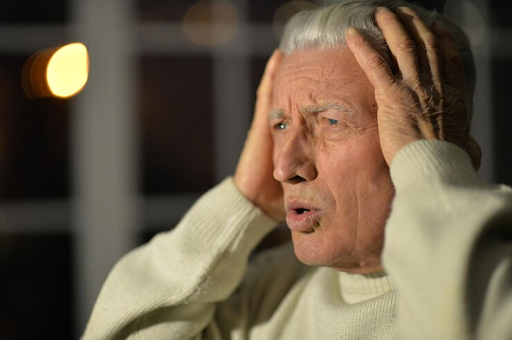
Understanding what causes hallucinations in elderly adults begins with recognizing possible triggers such as sudden delirium, medication effects, dementia, Parkinson’s disease, sensory loss, sleep disruption, dehydration, infection, and other medical conditions. Hallucinations are not a normal part of aging, and a sudden change may signal a treatable or urgent health problem.
Families may also consider memory care in Phoenix when repeated hallucinations occur with cognitive decline, unsafe behavior, disrupted routines, or a growing need for supervision.
Key Takeaways
- Sudden hallucinations with confusion may indicate delirium.
- Lewy body dementia can cause detailed visual hallucinations.
- Infection, dehydration, pain, and medicines can affect perception.
- Sensory loss, shadows, and sleep transitions can worsen episodes.
- Calm reassurance is safer than arguing about the experience.
What Causes Hallucinations in Elderly Adults Most Often?
The main causes of hallucinations in elderly adults include delirium, dementia-related brain changes, Parkinson’s disease, medication effects, sensory impairment, seizures, sleep disruption, and severe physical illness. Doctors usually investigate sudden and potentially reversible causes before concluding that a progressive neurological condition is responsible.
Delirium From Infection or Illness
Delirium is a rapid change in attention, awareness, and thinking that may develop within hours or days. It can cause hallucinations, disorganized speech, unusual sleepiness, agitation, or confusion that improves and worsens throughout the day. Delirium requires prompt medical assessment because the underlying cause may be serious.
Possible triggers include:
- Urinary tract or respiratory infection
- Dehydration or electrolyte imbalance
- Fever or severe pain
- Surgery or hospitalization
- Kidney or liver problems
- Low oxygen levels
- Alcohol or medication withdrawal
Dementia and Lewy Body Disease
Dementia can affect how the brain processes visual, auditory, and environmental information. Hallucinations may occur with Alzheimer’s disease, but detailed visual hallucinations appearing early in cognitive decline are particularly associated with Lewy body dementia. Changes in attention, movement, sleep, and alertness may also occur.
Families noticing memory, judgment, or behavior changes can review the early signs of dementia and share specific observations with the person’s healthcare provider.
Medication Effects and Interactions
Prescription drugs, nonprescription medicines, supplements, alcohol, and withdrawal can contribute to confusion or hallucinations. Risk may increase after starting a new medicine, changing a dose, combining several drugs, missing doses, or suddenly stopping a medication that affects the brain or nervous system.
Families should prepare a complete list of:
- Prescription medicines
- Pain medicines
- Sleep aids
- Allergy products
- Vitamins and supplements
- Recent dose changes
- Missed or stopped medicines
Do not stop a prescribed medicine without professional guidance. Ask the doctor or pharmacist to review the complete list for possible side effects or interactions.
Hallucinations in Elderly Without Dementia
Hallucinations in the elderly without dementia may result from poor vision, hearing loss, sleep transitions, seizures, severe depression, medication effects, or an acute medical condition. Cognitive decline is only one possible explanation, so families should avoid assuming that every unusual sensory experience confirms dementia.
Sleep and Mental Health Conditions
Hallucinations can occur while a person is falling asleep or waking up. Severe sleep loss may also reduce attention and make shadows, reflections, voices, or unfamiliar surroundings easier to misinterpret, particularly when vision, hearing, or cognitive function is already impaired.
How Do Common Hallucination Patterns Compare?
To understand what can cause hallucinations in elderly adults, families should observe when the symptoms started, whether awareness changes, which senses are involved, and what other symptoms appear. The comparison below does not provide a diagnosis, but it can help families organize useful information before contacting a healthcare professional.
| Hallucination Pattern | Possible Cause | Other Clues | Recommended Response |
| Sudden and fluctuating | Delirium or acute illness | Fever, confusion, unusual sleepiness, agitation | Seek prompt medical evaluation |
| Gradual with cognitive decline | Dementia-related condition | Memory loss, poor judgment, repeated questions | Arrange medical and cognitive assessment |
| Detailed visual images with movement changes | Lewy body dementia | Tremor, stiffness, sleep problems, changing alertness | Request neurological evaluation |
| Symptoms after a medicine change | Side effect or interaction | New drug, dose increase, missed doses | Contact the prescriber or pharmacist |
| Visual images with poor eyesight | Sensory impairment | Stable memory, significant vision loss | Arrange medical and vision assessment |
| Symptoms near sleep | Sleep transition or sleep deprivation | Occurs when falling asleep or waking | Improve sleep routines and discuss recurring episodes |
Why Do Hallucinations in the Elderly at Night Become Worse?
Hallucinations in the elderly at night may become more noticeable because of fatigue, darkness, shadows, reflections, reduced sensory input, and changes in sleep patterns. A person with dementia may also experience increased late-day confusion, while someone with poor vision may mistake furniture or curtains for people.
How Can Families Reduce Nighttime Triggers?
Environmental changes may reduce unnecessary fear, but they do not replace medical assessment. Families should make the room easier to understand, maintain familiar routines, and reduce competing sounds or images that could be misinterpreted by a tired or cognitively impaired person.
Helpful steps include:
- Turn on lights before the room becomes dark.
- Close curtains to reduce window reflections.
- Remove mirrors that cause repeated confusion.
- Limit loud television or overlapping conversations.
- Keep glasses and hearing aids available.
- Maintain regular meals, fluids, and sleep times.
- Use familiar furniture and personal belongings.
Which Warning Signs Require Urgent Medical Care?
New hallucinations require urgent attention when they appear with sudden confusion, severe physical symptoms, dangerous behavior, or reduced consciousness. Some causes can become life-threatening without treatment, so families should focus first on immediate safety rather than trying to determine the diagnosis at home.
Call 911 or seek emergency care when hallucinations occur with:
- Facial drooping, weakness, speech difficulty, or severe headache
- Seizure, fainting, head injury, or loss of consciousness
- Fever, chest pain, breathing problems, or severe dehydration
- Suspected overdose, poisoning, or alcohol withdrawal
- Threats of self-harm or harm to another person
- Commands telling the person to perform a dangerous action
- Sudden inability to recognize familiar people or surroundings
Keep the person supervised and remove accessible weapons, medications, sharp objects, and other immediate hazards while help is being arranged.
How Should Families Respond Step by Step?
A calm response can reduce fear and protect the person’s dignity. Best practice is to assess safety, acknowledge the person’s emotions without confirming the hallucination, reduce environmental triggers, and report accurate observations to a healthcare professional. Arguing often increases distress because the experience feels real to the person.
- Stay calm and remain nearby. Use a quiet voice and simple sentences.
- Check for immediate danger. Ask whether the person feels threatened or has been told to do something harmful.
- Acknowledge the emotion. Say, “I can see that this is frightening.”
- Avoid validating the image as real. Explain gently, “I do not see the person, but I believe that you see them.”
- Change the surroundings. Improve lighting, reduce noise, or move to a familiar room.
- Record the episode. Note the time, duration, description, recent medicines, fluid intake, sleep, pain, and physical symptoms.
- Contact the appropriate professional. Call the doctor for new or recurring symptoms and use emergency services for serious warning signs.
How Do Doctors Determine What Causes Hallucinations in Elderly Adults?
Doctors assess the speed of onset, level of awareness, medical history, medication list, sensory changes, and associated symptoms. They may perform a physical examination, cognitive assessment, laboratory tests, medication review, or neurological evaluation depending on whether the pattern suggests delirium, dementia, sensory loss, seizures, or another condition.
Families can help by bringing:
- A timeline of the first episode
- A description of what the person saw or heard
- A list of recent behavioral changes
- Current prescriptions and supplements
- Information about sleep, food, and fluid intake
- Recent falls, infections, illnesses, or hospital stays
- Notes about memory, movement, vision, and hearing
When Can Memory Care Provide Helpful Support?
Memory care does not diagnose or medically treat hallucinations. It may provide valuable support after medical causes have been evaluated when dementia-related symptoms create ongoing safety concerns, nighttime distress, medication difficulties, wandering, disrupted routines, or caregiver exhaustion.
Vista Living offers dementia care in Phoenix with personalized routines, structured activities, compassionate supervision, and an environment designed to promote safety and comfort.
Families may also benefit from:
- Consistent daily schedules
- Medication management and pharmacy coordination
- Help with bathing, dressing, meals, and mobility
- Supervision during periods of confusion
- Activities adapted to cognitive ability
- Communication between caregivers and family members
Vista Living’s resources explain how memory care supports seniors with dementia and what families should look for in a memory care community. Personalized, individualized senior care can also help align routines, assistance, and supervision with the resident’s changing needs.
Protect Your Loved One With the Right Support
Understanding what causes hallucinations in elderly people starts with identifying the pattern. Sudden symptoms may indicate delirium or another urgent medical condition, while gradual or recurring symptoms may relate to dementia, medication effects, sensory loss, sleep disruption, or neurological disease.
Medical evaluation should come first. Families can then use calm communication, careful observation, safer surroundings, and an appropriate care plan to support the senior’s dignity and well-being. If your loved one needs more consistent supervision or memory support, contact Vista Living at 602.456.1919 or email info@vistaliving.net to discuss compassionate care options in Phoenix.