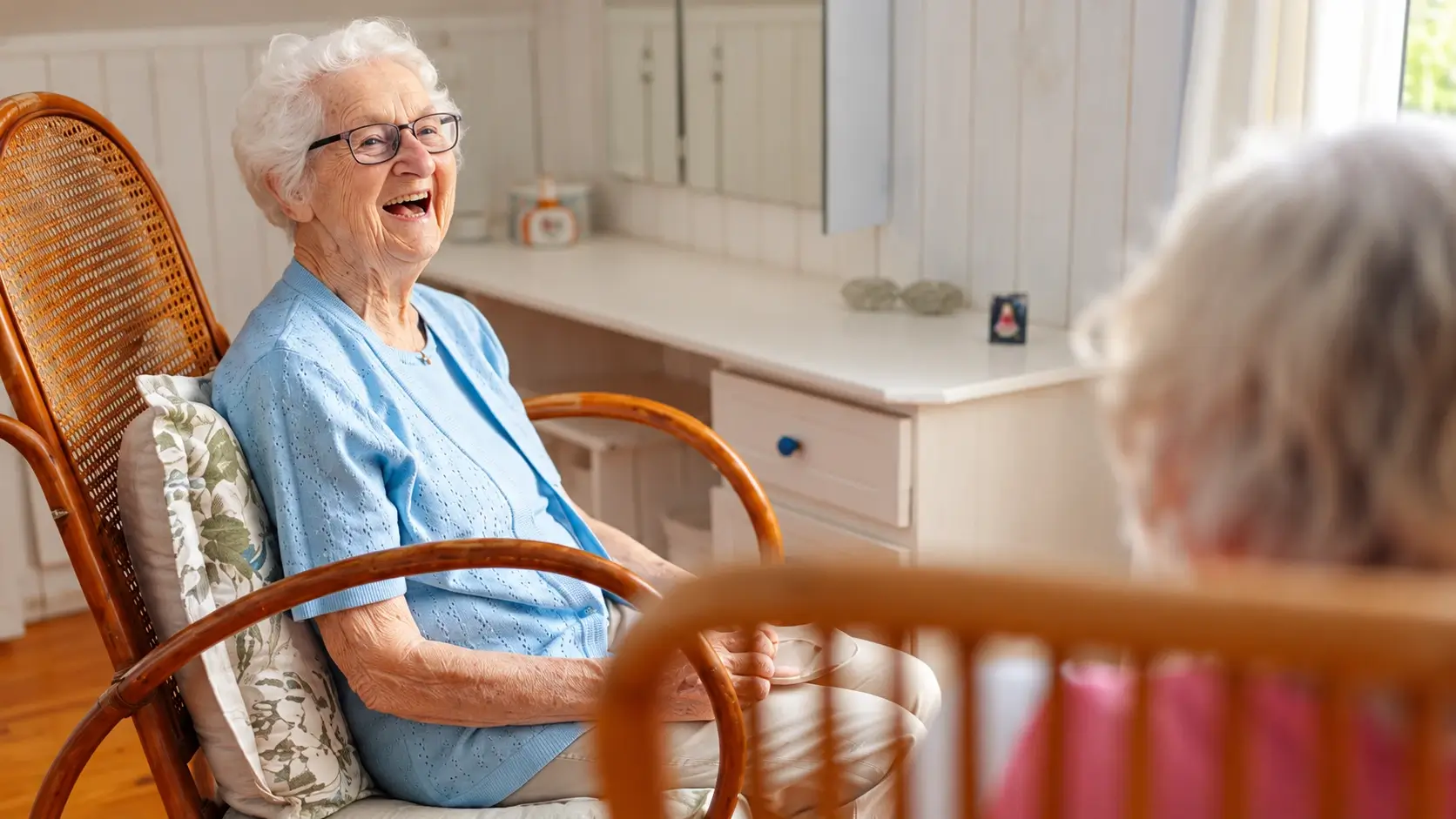

Loneliness among the elderly can affect emotional well-being, daily routines, physical health, and willingness to participate in social activities. Meaningful relationships, purposeful activities, family involvement, and supportive environments such as assisted living in Phoenix can help older adults maintain connection, belonging, and a stronger quality of life.
Effective elderly loneliness solutions begin with recognizing the causes and signs of social disconnection, addressing barriers such as limited mobility or transportation, and creating regular opportunities for meaningful interaction. Families should also know when persistent withdrawal or changing care needs may signal that an older adult could benefit from additional social, emotional, or daily living support.
Key Takeaways
- Loneliness and social isolation are related, but they are not the same.
- Loss, limited mobility, hearing changes, health problems, and lack of transportation can reduce social connection.
- Regular, meaningful contact is usually more valuable than occasional large social events.
- Activities work better when they reflect the older adult’s interests and abilities.
- Persistent withdrawal or major behavioral changes should be discussed with a health care professional.
What Causes Loneliness in the Elderly?
The primary causes of loneliness in the elderly include social isolation, loss of a spouse or close friends, limited family interaction, declining mobility, chronic health conditions, hearing or vision impairment, and lack of transportation. Retirement, reduced social participation, and difficulty maintaining meaningful relationships can also contribute to feelings of loneliness and emotional disconnection among seniors.
Loneliness and Social Isolation Are Different
Loneliness is a feeling of disconnection or lack of meaningful relationships, while social isolation means having limited social contact or few relationships. The two can occur together, but they are not the same. An older adult may live alone without feeling lonely, while someone who regularly interacts with others may still feel lonely if those relationships do not feel meaningful.
| Concern | What It Means | Example |
| Loneliness | Feeling disconnected or lacking meaningful relationships | An older adult attends activities but feels nobody really knows them |
| Social isolation | Having few contacts or limited interaction with others | An older adult rarely leaves home and speaks with family only occasionally |
| Both | Limited interaction combined with unwanted feelings of disconnection | A widowed senior stops attending activities and rarely receives visitors |
What Are Common Signs of Loneliness in Elderly Adults?
Common signs of loneliness in elderly adults include social withdrawal, reduced communication with family and friends, loss of interest in hobbies, fewer social outings, persistent sadness, irritability, and low motivation. Some seniors may also experience changes in sleeping habits, appetite, personal hygiene, or daily routines. Families should pay attention to persistent changes in behavior, as these signs may indicate loneliness or other emotional and health concerns.
Possible signs include:
- Withdrawing from friends or family
- Stopping activities that once brought enjoyment
- Spending increasing amounts of time alone
- Expressing that nobody visits or understands them
- Showing unusual irritability, sadness, or low motivation
- Neglecting meals, grooming, or normal routines
- Sleeping substantially more or less than usual
Loneliness in elderly adults should not automatically be assumed to be the cause of every behavior change. Depression, grief, medication effects, hearing loss, pain, illness, or cognitive changes may produce similar symptoms, making medical evaluation important when changes are persistent or significant.
What Are the Effects of Loneliness in Elderly Adults?
The effects of loneliness in elderly adults include increased sadness, anxiety, depression, emotional distress, and a reduced sense of purpose or belonging. Persistent loneliness is also associated with higher risks of cognitive decline, sleep disturbances, cardiovascular problems, and poorer overall health. These effects can reduce seniors’ quality of life, limit their participation in daily activities, and make it harder to maintain meaningful social relationships.
Social connection can support:
- A stronger sense of purpose and belonging
- Better emotional wellbeing
- Healthier responses to stress
- More opportunities for physical activity
- Continued participation in hobbies and interests
- Access to practical and emotional support
Which Elderly Loneliness Solutions Work Best?
The most effective elderly loneliness solutions include regular family visits, meaningful social activities, companionship programs, and personalized support that helps seniors overcome barriers to social interaction, such as limited mobility, transportation difficulties, or hearing problems. These approaches can help seniors maintain relationships, improve emotional well-being, and develop a stronger sense of belonging when matched to their interests, abilities, and individual needs.
Regular Family Visits and Social Interaction
Consistent family visits, phone calls, shared meals, and social gatherings help elderly adults maintain relationships and feel connected to loved ones. Families can establish weekly visits, scheduled conversations, or regular outings to provide dependable companionship and emotional support.
Meaningful Group Activities and Community Programs
Group activities such as gardening, crafts, card games, music, exercise classes, and community events encourage seniors to interact with others and build friendships. Families should prioritize activities that reflect their loved one’s interests, abilities, and social preferences to encourage meaningful participation.
Families can also explore ideas for building a social circle in assisted living when helping a loved one adjust to a new community.
Companionship Programs and Social Support
Companionship programs, senior centers, volunteer visitor programs, and community groups provide additional opportunities for elderly adults to develop relationships and maintain social engagement. These options can be particularly helpful for seniors who live alone, have limited family contact, or find it difficult to participate in regular social gatherings.
Personalized Support for Social Connection
Personalized assistance helps seniors overcome challenges that limit social interaction, including mobility difficulties, hearing impairment, transportation barriers, and unfamiliar technology. Accessible activities, reliable transportation, hearing support, and simple communication tools can make it easier to maintain meaningful relationships.
Families should regularly ask their loved ones which activities and interactions they enjoy, identify any remaining barriers, and adjust their approach as needs change.
How Can Assisted Living Support Social Connection?
Assisted living can make social connection easier by bringing daily care, shared activities, and opportunities for interaction into one supportive environment. For older adults who face mobility, transportation, or household challenges, these built-in opportunities can make meaningful engagement more consistent.
Assisted living may support social connection through:
- Daily activities and events: Music, games, exercise, group programs, and other activities give residents regular opportunities to participate and interact.
- Shared meals and common spaces: Dining areas, patios, gardens, and shared living spaces encourage natural conversation and companionship throughout the day.
- Personalized routines: Vista Living’s individualized senior care allows activities and daily routines to reflect each resident’s preferences, abilities, and changing needs.
- Support for cognitive changes: Structured routines, familiar interactions, and appropriate activities are also part of memory care in Phoenix, helping residents stay engaged in ways suited to their abilities.
- Family-friendly opportunities: Visits, gatherings, and community activities can help residents maintain important family relationships while building new social connections.
Smaller residential settings can also create more natural opportunities for residents to see familiar caregivers and neighbors throughout the day. The social benefits of assisted living can extend beyond scheduled activities by supporting companionship, routine, belonging, and everyday interaction.
Helping Older Adults Build Connection That Lasts
Effective elderly loneliness solutions focus on the quality, consistency, and personal meaning of relationships rather than simply increasing the number of activities on a calendar. Families can make a meaningful difference by listening carefully, removing barriers, supporting familiar relationships, creating opportunities for purpose, and recognizing when additional care may help.
Vista Living offers assisted living and memory care in Phoenix and Paradise Valley with personalized routines, daily engagement, and supportive residential environments designed around dignity, comfort, and connection. Call 602.456.1919 or email info@vistaliving.net to learn more or schedule a tour.