
There is nothing you can do to stop your loved one from getting old. That is why you need to understand that time will come when your loved one will eventually need to be transferred into a care home where he/she can get the level of care that he/she needs. This may be a stressful event for both your family and your elderly loved one, but when you have had ample time to make the necessary preparations, the transition will surely go smoothly.
Care homes offer different levels of care, such as directed care, personal care, and supervisory care, to their residents. When you are looking for a care home for your elderly loved one, you should be able to take some things into consideration. These include:
1. Current Health Issues and the Level of Care that is Needed
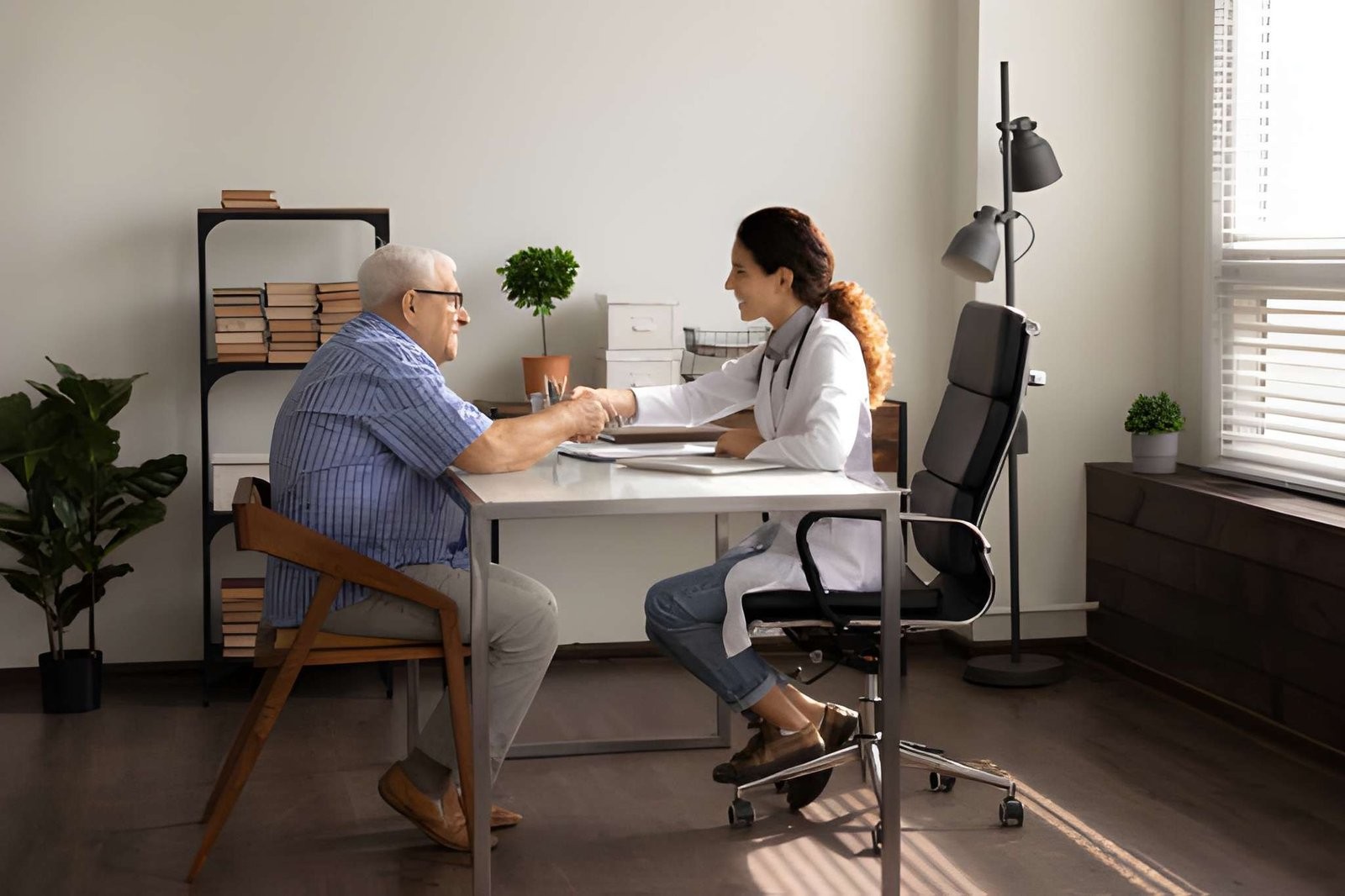
This is essentially the main consideration in choosing the best facility for your loved one. If you’re you are the one who’s primarily taking care of your senior loved one, then you may have a better idea of which home to choose. If that’s not the case, then you may want to consult with your loved one’s physician. Be sure to take note of the physician’s advice so that you can transfer your loved one to a home that guarantees the optimal care your loved one needs.
2. Independence
In this matter, you may need to reassess your loved one’s situation. Evaluating your loved one from a standpoint can help you determine what type of care they should get. Examine your loved one’s activities from afar. Supposing that their caregiver isn’t around to help them with the basic everyday tasks, will they be able to carry out their everyday routines with little to no assistance? Answering these questions will help you take a good look at where your loved one stands with respect to the level of assistance they need. Asking your loved one’s caregivers can help you with these matters, too.
3. Special Non-medical Considerations
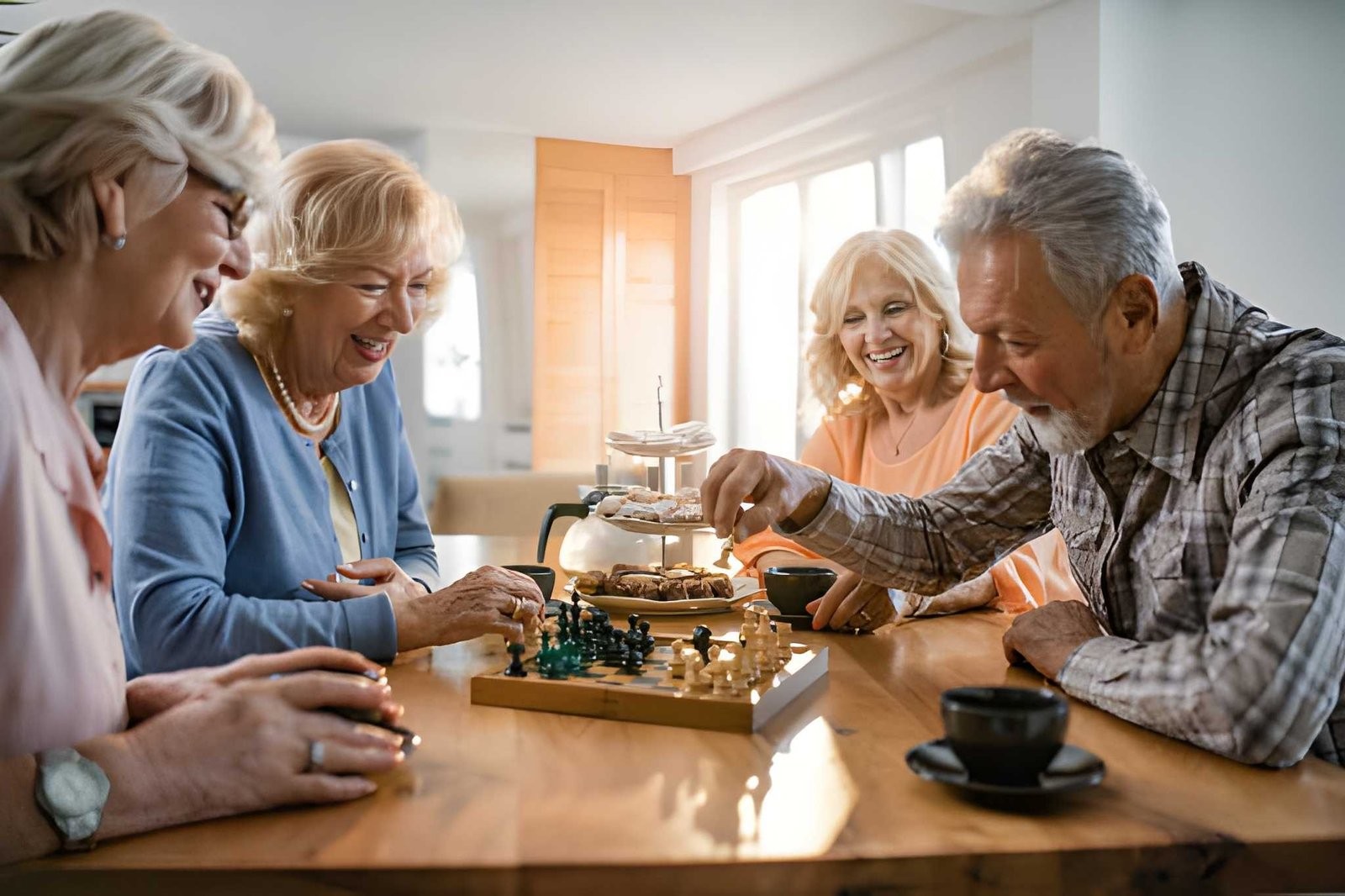
Needs that aren’t medically related are also important and should be given attention. These needs can help determine your loved one’s level of independence. For example, they may be able to walk without assistance but struggle with stairs, or they may prefer a quiet environment rather than a busy one. Social interaction is also an important factor, as staying connected can improve overall well-being. You can learn more about how to build your social circle in assisted living here.
4. The Closeness of the Care Home
If you’re close to your elderly loved one and would love to visit them at least a couple of times a week, then you need to consider choosing a care home that’s as close to your house as possible with visiting hours that is suitable for you. Your visits to your loved one could also become regular, which is why it’s more convenient to choose a place with proximity.
Taking time to examine these factors would be really helpful in choosing a care home that’s suitable for your elderly loved one. Visiting potential homes in person enables you and your loved one to get a first-hand feel of the home, rather than relying on pictures, word of mouth, or ads. Since you get to see what it’s like in person, it’s easier for you and your loved one to make the choice. It is also a huge factor in determining whether the home can meet the level of care a senior needs.
Conclusion
Choosing the right care home for your loved one is never an easy decision, but with careful planning and thoughtful consideration, it can become a positive step toward ensuring their comfort, safety, and overall well-being. By understanding their needs and exploring your options, you can make a confident choice that supports both your loved one and your family. If you need guidance or are looking for a trusted care provider, Vista Living is here to help—you can reach them through their website, call 602 456 1919, or email info@vistaliving.net to learn more about available care options and support services.