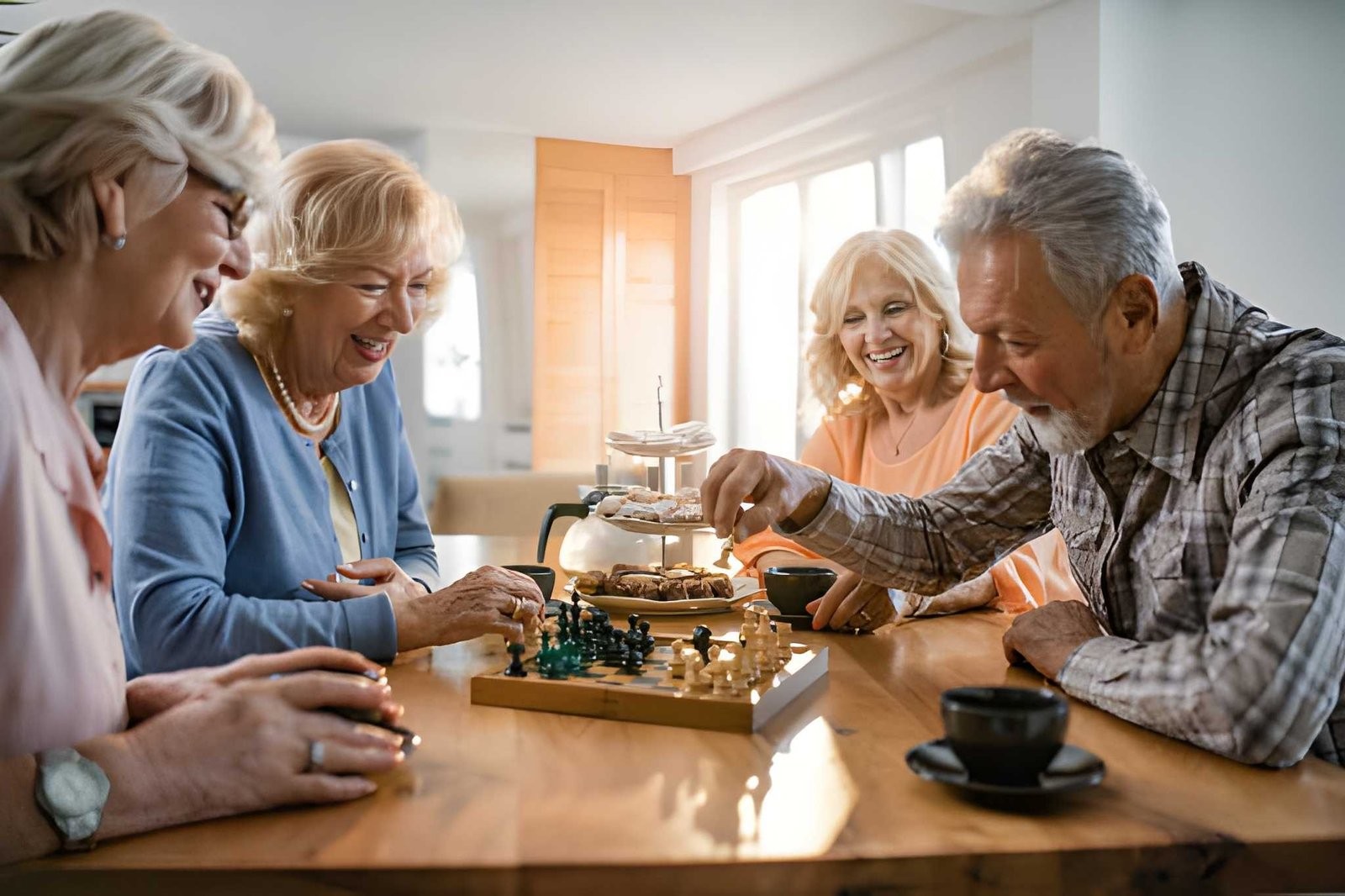

Choosing the right senior care setting often comes down to more than services alone, which is why many families consider boutique assisted living when they want a more personal, residential approach. Families comparing assisted living in Phoenix may find that a smaller setting makes it easier for caregivers to learn a resident’s routines, preferences, abilities, and changing support needs while creating a familiar environment that feels more like home.
For seniors who value consistency, quieter surroundings, and closer caregiver relationships, this type of care can support comfort, independence, social connection, and daily routines. Families should still compare staffing, safety, licensing, activities, communication, and the ability to meet future physical or cognitive needs before choosing a residence.
Key Takeaways
- Smaller residential settings can make daily care feel more personal and familiar.
- Arizona defines an assisted living home as serving 10 or fewer residents.
- Personalized care should reflect routines, mobility, medications, and cognitive needs.
- Smaller communities may suit seniors who prefer quieter spaces and consistent faces.
- Families should tour, compare, and verify services before choosing a residence.
What Is Boutique Assisted Living?
Boutique assisted living generally refers to a smaller residential care setting that emphasizes personalized support, familiar routines, and a home-like environment. Fewer residents can make it easier for caregivers to understand individual preferences, daily habits, mobility needs, and changing levels of support.
The term “boutique” describes the style and scale of the setting rather than a separate level of care. Families should still review staffing, caregiver training, services, safety practices, and how well the residence can adapt as a senior’s needs change.
How Does a Smaller Residential Setting Provide More Personalized Care?
A smaller residential model can support personalization by helping caregivers understand how each resident prefers to live, communicate, eat, rest, socialize, and receive assistance. Strong care should be built around the person rather than a uniform routine.
Care Plans Reflect the Individual
A personalized care plan should reflect each resident’s routines, health needs, abilities, preferences, and level of support. It may include preferred wake times, bathing routines, mobility assistance, medication schedules, food preferences, communication style, interests, and family involvement.
Familiar Caregivers Learn Daily Patterns
Repeated interaction helps caregivers recognize usual patterns. Changes in appetite, walking, sleep, mood, or communication may be easier to notice when caregivers know the resident well. Familiarity does not replace medical assessment, but it can support clearer communication with families and healthcare professionals.
Daily Routines Can Feel More Natural
Meals around a familiar table, smaller activities, and repeated contact with the same people can make daily life feel less institutional. Personalization also means respecting choice, whether a senior prefers group activities, music, gardening, reading, quiet conversation, or family time.
How Do Boutique Assisted Living Homes Compare With Larger Communities?
Boutique assisted living homes typically provide a smaller residential setting with fewer residents, shorter distances, and more frequent contact with familiar caregivers. Larger communities may offer broader amenities, more activity choices, and larger social groups. The better fit depends on the senior’s health, mobility, personality, care needs, and preferred level of social interaction.
| Area | Smaller Residential Setting | Larger Community |
| Environment | Familiar residential setting | Campus or apartment style |
| Social groups | Smaller and consistent | Larger and varied |
| Routines | May allow more flexibility | Often follow broader schedules |
| Activities | Smaller interest-based groups | Wider program calendar |
| Navigation | Fewer rooms and shorter distances | More spaces and longer routes |
| Relationships | Repeated contact with fewer people | Contact across larger teams |
Families can compare assisted living and residential care homes when deciding which environment fits a loved one.
Who May Benefit From Small Assisted Living Homes?
Seniors who prefer predictable routines, quieter surroundings, familiar caregivers, and smaller social groups may benefit from a small assisted living home. A more intimate environment can also support older adults who feel overwhelmed in busy settings, as long as the residence can safely meet both current care needs and future changes.
A smaller residence may be worth considering when a senior:
- Prefers a home setting instead of a large campus
- Needs help with bathing, dressing, meals, mobility, or medications
- Benefits from familiar caregivers and repeated routines
- Becomes overwhelmed by crowded or noisy spaces
- Enjoys smaller activities and conversations
A Practical Example
A senior with a walker and mild memory changes may find long hallways and crowded dining rooms stressful. Familiar rooms, repeated caregivers, and smaller activities may make daily routines easier to navigate, while a highly social senior may prefer a larger community.
Are Smaller Assisted Living Homes Always More Personalized?
A smaller residence can create favorable conditions for closer relationships, but size does not determine care quality. A residence still needs adequate staffing, trained caregivers, safe procedures, meaningful engagement, reliable leadership, and clear family communication.
The same principle applies to small-scale assisted living. Families should look for evidence that caregivers know resident preferences, adapt routines, and explain how support changes as needs increase.
What Should Families Evaluate Before Choosing a Smaller Residence?
Families should compare needs with staffing, licensing, services, routines, safety practices, and future care capacity. An in-person tour can reveal more about the culture of care than brochures or décor.
Staffing and Caregiver Availability
Ask who is present during mornings, evenings, overnight hours, meals, and busy care periods. Also ask about training, supervision, staff turnover, and emergency coverage.
Ability to Support Changing Needs
Ask how the residence responds when a resident needs more help with walking, transfers, toileting, eating, medications, communication, or supervision. For cognitive changes, memory care in Phoenix may provide structured routines, personalized support, and a safer environment designed around changing memory needs.
Licensing and Safety
Verify the residence through Arizona licensing resources and review available inspection information. Ask about emergency procedures, medication management, fall prevention, nighttime supervision, exits, and family communication. Confirm which services the residence is licensed and prepared to provide.
How Can Families Compare Options Step by Step?
A structured comparison helps families evaluate care instead of choosing by appearance. Ask the same questions at each residence and compare every option against the senior’s needs, preferences, budget, and likely future support.
- List current care and supervision needs.
- Identify preferences for meals, routines, privacy, activities, and social interaction.
- Verify the Arizona license and approved care services.
- Visit more than one residence when possible.
- Observe how caregivers speak with and assist residents.
- Ask how care plans are created and updated.
- Compare daytime and overnight caregiver coverage.
- Review costs, included services, and additional fees.
- Ask how increasing physical or cognitive needs are handled.
- Discuss emergencies and family communication.
The guide to questions to ask an assisted living community can help families prepare more thoroughly for a tour and compare care options with greater confidence.
When Does Memory Support Become Important?
Memory support may become important when cognitive changes begin to affect safety, daily routines, communication, or the ability to manage personal care. Families should look at how often these changes occur, how much supervision is needed, and whether the current setting can continue to meet the resident’s needs safely.
Signs that additional memory support may be helpful include:
- Wandering or attempts to leave the residence
- Nighttime confusion or disrupted sleep
- Difficulty managing medications safely
- Increased help with bathing, dressing, or toileting
- Agitation, anxiety, or resistance to care
- Trouble recognizing familiar people or surroundings
- Repeated confusion about daily routines
- Growing need for supervision throughout the day or night
Families should also ask how caregivers respond when these needs increase and whether the residence can safely provide more structured support over time.
Choosing Care That Feels Personal and Familiar
Boutique assisted living can be a strong option for families seeking a smaller residential environment where support is connected to a senior’s routines, preferences, abilities, and changing needs. Strong communities combine familiarity with trained caregivers, reliable staffing, thoughtful care planning, safety, meaningful engagement, and clear family communication.
Vista Living provides assisted living and memory support in residential homes in Phoenix. Call 602.456.1919 or email info@vistaliving.net to discuss your loved one’s needs or schedule a tour.