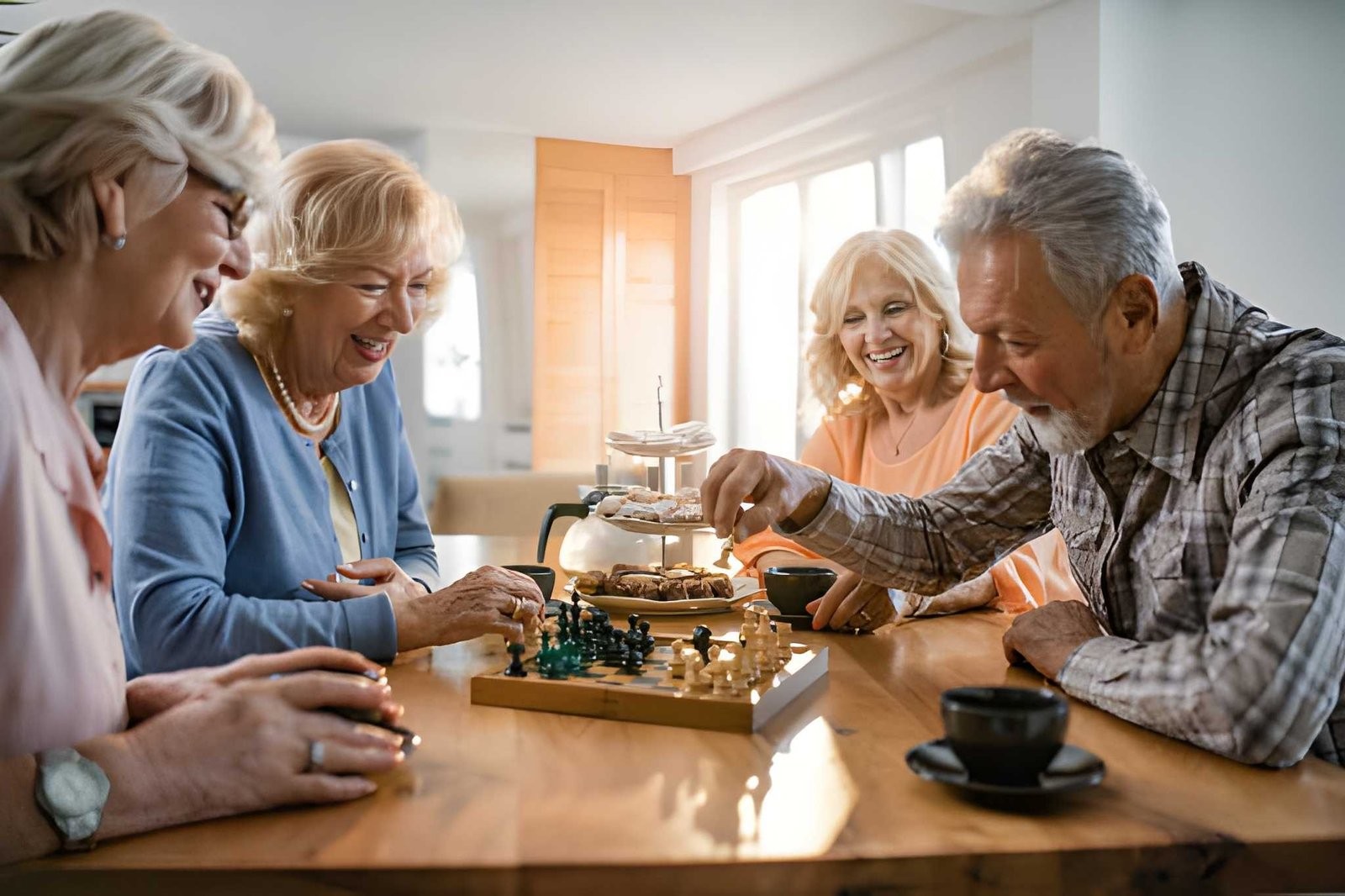
Good hobbies for seniors are activities that match their interests, abilities, and comfort level while giving them something enjoyable and meaningful to look forward to. Gardening, painting, music, reading, puzzles, walking, chair exercise, cooking, volunteering, and group games can all support physical, social, emotional, and cognitive well-being. These types of activities are often included as part of broader senior wellness programs designed to support a more balanced and engaging daily routine.
The right hobby can do more than fill free time. It can add structure to the day, create a sense of purpose, encourage movement and mental stimulation, and provide opportunities for companionship. Choosing activities that fit a senior’s interests and abilities can also make participation feel more natural, enjoyable, and sustainable over time.
Key Takeaways
- Match activities to interests, abilities, energy, and comfort.
- Include creative, mental, social, and physical options.
- Adapt tools, seating, lighting, pace, and group size.
- Begin with short sessions and build consistency gradually.
- Value participation and enjoyment more than finished results.
Why the Importance of Hobbies for Seniors Goes Beyond Entertainment
Hobbies are important for seniors because they support physical activity, mental engagement, social connection, confidence, and a stronger sense of purpose. When activities are enjoyable, manageable, and personally meaningful, they can become a valuable part of an older adult’s daily routine.
Hobbies may help older adults maintain:
- Attention, planning, and problem-solving
- Safe movement and physical function
- Confidence and emotional well-being
- Conversation and social connection
- Identity, traditions, and personal purpose
What Are Good Hobbies for Seniors at Different Ability Levels?
Good hobbies for seniors are those that match their physical, cognitive, and social abilities while still providing them with an enjoyable challenge. Age alone should not determine the activity. Families should consider mobility, hand strength, vision, hearing, memory, stamina, social comfort, and how much guidance or assistance the person needs.
For Seniors Who Are Active and Independent
These activities can provide more movement, strategy, or social interaction:
- Walking groups
- Gardening
- Golf or putting
- Dancing
- Cooking or baking
- Photography
- Chess
- Bridge
- Scrabble
- Trivia games
- Card games
For Seniors Who Need Some Physical Support
Activities at this level should be easy to adapt and comfortable to complete while seated or with limited movement:
- Chair exercises
- Container gardening
- Painting or drawing
- Knitting or simple crafts
- Audiobooks
- Music activities
- Bingo
- Dominoes
- Large-piece puzzles
- Large-print card games
- Simple board games
For Seniors With Memory or Cognitive Changes
Familiar, structured activities with simple instructions can make participation more comfortable and enjoyable:
- Listening to familiar music
- Looking through family photo albums
- Sorting or matching activities
- Simple gardening tasks
- Folding towels or other familiar household tasks
- Easy word or picture games
- Matching games
- Simple puzzles
- Bingo
- Reminiscence games based on familiar people, places, or events
For Seniors Who Need More Hands-On Assistance
At this level, activities should focus more on comfort, sensory engagement, connection, and participation than on completing a task:
- Listening to favorite songs
- Looking through photographs
- Gentle hand exercises
- Sensory activities using safe textures
- Simple art activities
- Reading aloud together
- Balloon toss
- Picture-matching games
- Simple sorting games
The best activity is one that feels achievable without causing pain, fear, confusion, or exhaustion. A hobby can also be adjusted over time so the senior can continue participating as mobility, stamina, memory, or other abilities change.
What Hobbies Are Best for Seniors Based on Their Goals?
The best hobbies for seniors are activities that match their interests and abilities and support goals that matter to them, such as staying active, learning, connecting with others, expressing creativity, or maintaining a sense of purpose. Organizing hobbies by these goals can make it easier to find activities that feel enjoyable, manageable, and worth continuing.
Creative Hobbies
Creative activities give seniors an opportunity to express themselves, focus on a project, and enjoy the satisfaction of making something.
Good options include:
- Painting or drawing
- Knitting or crocheting
- Card making
- Scrapbooking
- Flower arranging
- Photography
- Creative writing
For seniors with limited hand strength or dexterity, larger grips, lightweight tools, and pre-cut materials can make these hobbies easier to enjoy.
Hobbies for Mental Stimulation
Activities that involve reading, recalling information, solving problems, or learning something new can keep the mind engaged without feeling like a test.
Good options include:
- Reading
- Crossword puzzles
- Sudoku
- Trivia
- Chess or checkers
- Genealogy
- Learning a language
- Audiobooks or educational podcasts
Large-print books, audiobooks, and simpler versions of familiar games can help make these activities more accessible.
Social Hobbies
Social hobbies create natural opportunities for conversation, shared experiences, and connection with other people.
Good options include:
- Bingo
- Card games
- Group cooking or baking
- Singing groups
- Book clubs
- Trivia games
- Gardening groups
- Arts and crafts groups
Seniors who feel uncomfortable in large gatherings may prefer smaller groups or activities with familiar people.
Hobbies That Encourage Movement
Hobbies that include gentle physical activity can help seniors stay active while making movement feel enjoyable and purposeful.
Good options include:
- Walking
- Gardening
- Dancing
- Chair exercise
- Water exercise
- Golf putting
- Pickleball
- Tai chi
Activities can often be modified with seated versions, shorter sessions, slower pacing, and regular rest breaks.
Hobbies That Provide a Sense of Purpose
Some seniors find the greatest satisfaction in activities that allow them to contribute, share their knowledge, or help someone else.
Good options include:
- Volunteering
- Mentoring
- Teaching a skill
- Helping with community projects
- Caring for plants
- Preparing simple meals
- Writing or recording family stories
- Creating handmade gifts
Short, clearly defined tasks can make purposeful activities easier to manage while still giving the person a meaningful role.
Easy Hobbies for Seniors Who Want a Simple Start
Easy hobbies for seniors should require little preparation, minimal expense, and no advanced skills. Activities such as reading, coloring, listening to familiar music, caring for indoor plants, sorting photographs, completing small puzzles, arranging flowers, or playing cards can provide an enjoyable starting point without making participation feel demanding.
Starting with 10 to 20 minutes can make a new activity feel more manageable. It is often better to stop while the activity is still enjoyable rather than continue until fatigue or frustration sets in.
Hobbies for Seniors With Limited Mobility
Seniors with limited mobility can still enjoy hobbies that provide creativity, learning, companionship, and a sense of purpose. The key is choosing activities that can be comfortably adapted to the person’s movement, strength, reach, and stamina.
Suitable hobbies may include:
- Tabletop gardening
- Painting or drawing
- Music and singing
- Puzzles and card games
- Audiobooks
- Video calls with family or friends
- Seated cooking or baking
- Birdwatching from a window or patio
- Scrapbooking
- Recording family stories
Activities can be made more accessible by:
- Using a stable chair with good back support
- Keeping materials within comfortable reach
- Providing adequate lighting and reducing glare
- Choosing larger tools, cards, or puzzle pieces
- Reducing distracting background noise
- Scheduling rest breaks before fatigue develops
Medical guidance may be appropriate when pain, recent surgery, balance problems, or movement restrictions make it unclear which activities are safe.
Hobbies for Active Seniors
Active seniors may enjoy hobbies that combine movement, recreation, and opportunities to spend time with others. Walking groups, water exercise, dancing, cycling, pickleball, golf putting, and community gardening can all be good choices when they align with a person’s current strength, balance, endurance, and health needs.
Supportive footwear, hydration, stable surfaces, and appropriate rest can make physical hobbies safer and more comfortable. In Phoenix, outdoor activities should also be planned around high temperatures, particularly during the warmer months. Safe indoor fitness ideas offer additional ways to stay active when outdoor exercise is not practical.
How to Choose the Best Hobbies for Seniors
The best hobbies for seniors are activities that reflect their interests, abilities, comfort level, and past experiences. Rather than choosing an activity based only on age or a diagnosis, families should consider what the person has enjoyed, taught, built, grown, collected, or shared with others over the years. This person-centered approach helps preserve the meaning behind familiar interests while allowing the tools, pace, setting, or level of support to change as needed.
Follow these steps:
- Start with personal interests. Ask about hobbies, routines, skills, and activities the senior has enjoyed in the past or still enjoys today.
- Consider current abilities. Review mobility, vision, hearing, memory, energy level, and any safety concerns.
- Choose the right social setting. Decide whether the person is more comfortable participating alone, with one other person, or in a group.
- Keep the first activity simple. Choose an option that requires minimal equipment, preparation, or expense.
- Try short sessions first. Allow the senior to experience the activity two or three times before deciding whether it is a good fit.
- Adjust what creates difficulty. Modify tools, seating, lighting, noise levels, timing, or the length of the activity when needed.
- Pay attention to the response. Continue activities that seem to bring comfort, interest, enjoyment, or a willingness to participate again.
Avoid investing in expensive equipment or supplies until the senior has had several opportunities to try the hobby. An activity is more likely to become part of a meaningful routine when it feels enjoyable and achievable rather than demanding or frustrating.
How Healthy Hobbies for Seniors Fit Into Assisted Living
Seniors can maintain meaningful hobbies more consistently when practical barriers are reduced, and the right level of daily support is available. Safe spaces, accessible supplies, regular encouragement, and help with everyday responsibilities can make it easier to participate without becoming tired or overwhelmed.
- Reduce everyday demands. Help with household responsibilities, transportation, meal preparation, and other daily tasks can leave more time and energy for hobbies and social activities. Residents in assisted living in Phoenix may receive support with personal care, meals, medication management, mobility, and other daily needs.
- Make activities easy to access. Keep supplies within reach, provide a comfortable and safe activity space, and choose activities that match the senior’s mobility, vision, hearing, stamina, and interests.
- Adapt hobbies for memory changes. Familiar music, simple crafts, sorting activities, sensory gardening, and guided conversation may be easier to enjoy than complex or unfamiliar tasks. Seniors receiving memory care in Phoenix may also benefit from structured routines and personalized cognitive activities that support comfort, safety, and engagement.
- Build hobbies into a healthy routine. Regular movement, balanced nutrition, social connection, and safer daily habits can make it easier for older adults to stay involved in activities they enjoy. These habits are also important parts of supporting overall senior health and wellness.
How to Start a New Hobby in Seven Days
Seniors can start a new hobby more comfortably by trying it in small, manageable steps over the course of a week. A seven-day trial gives them time to explore the activity, adjust the setup, and decide whether it feels enjoyable without pressure to master a skill or make a long-term commitment.
The goal is to focus on curiosity, comfort, and personal interest. Each step should make participation easier while helping the senior decide whether the hobby is something they would like to continue.
- Day one: Choose one familiar interest. Start with something connected to a past hobby, favorite topic, or activity the person already enjoys.
- Day two: Gather only the essential supplies. Keep the setup simple and avoid buying unnecessary equipment before the senior knows whether they enjoy the activity.
- Day three: Prepare a comfortable space. Choose an area with good lighting, supportive seating, minimal distractions, and easy access to materials.
- Day four: Try the activity for 10 to 20 minutes. Keep the first session short so the experience remains manageable and enjoyable.
- Day five: Remove one practical barrier. Adjust anything that caused difficulty, such as poor lighting, uncomfortable seating, complicated tools, background noise, or the time of day.
- Day six: Invite one trusted person. A familiar person like a family member, friend, or caregiver can encourage without making the activity feel like a performance.
- Day seven: Discuss what felt enjoyable. Ask what the senior liked, what felt difficult, and whether they would want to try the activity again.
Pay attention to when the person has the most energy and focus. An activity that feels frustrating late in the afternoon may be much more enjoyable earlier in the day, so adjusting the timing can make a meaningful difference.
Find Meaningful Activities at Vista Living
When deciding which hobbies are good for seniors to enjoy, it helps to focus on activities that feel meaningful, comfortable, and suited to their interests and abilities. Music, gardening, games, creative projects, gentle movement, and social activities can all bring more purpose, connection, and enjoyment to everyday life.
At Vista Living, residents have opportunities to take part in daily activities, social events, and structured programs that reflect different interests and abilities. Call 602.456.1919 or email info@vistaliving.net to learn more about current activities and schedule a personal tour.