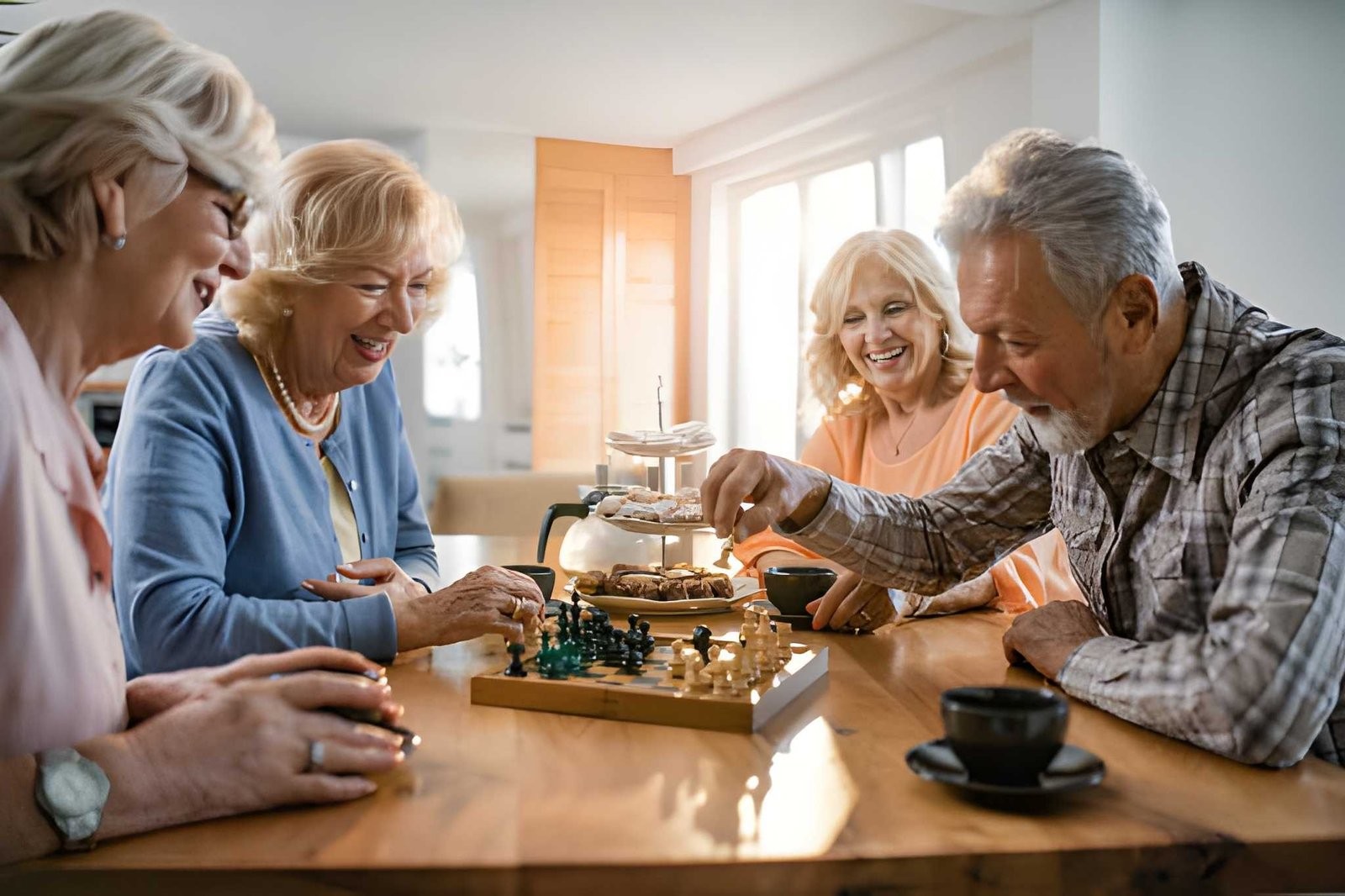

The benefits of socialization for seniors go beyond having people to talk to. Regular social interaction can support emotional well-being, encourage mental engagement, reduce feelings of isolation, and help older adults maintain a stronger sense of connection and purpose in daily life.
For seniors in assisted living, opportunities to spend time with others through meals, activities, conversations, and shared interests can make each day feel more engaging and fulfilling. Assisted living in Phoenix can make interactions safer and easier through shared meals, daily activities, inviting common spaces, and personalized care.
Key Takeaways
- Social contact can support mood, confidence, and a sense of belonging.
- Conversation and shared activities engage attention, language, and memory.
- Group meals and movement may reinforce healthier routines.
- Familiar, small group contact may work better than crowded events.
- Sudden withdrawal can signal grief, depression, pain, hearing loss, or illness.
Why Socialization Is Important for Seniors
Regular socializing is important for seniors, supporting their emotional well-being, mental engagement, healthy routines, and a stronger sense of connection. Major life changes such as retirement, bereavement, reduced mobility, loss of driving privileges, or changes in hearing and memory bring challenges to how they interact. It causes them to slowly isolate, which leads to loneliness and depression.
Loneliness is the feeling of being disconnected or lacking meaningful companionship. Regular opportunities to socialize can help seniors maintain meaningful relationships and reduce the risk of becoming isolated or lonely.
What Are the Main Benefits of Socialization for Seniors?
Socializing gives seniors meaningful relationships, a stronger sense of belonging, and regular opportunities to stay mentally and physically engaged. Consistent social interaction can support emotional well-being, encourage healthy routines, stimulate memory and communication, and make everyday activities more enjoyable.
The greatest benefits often come from connections that are familiar, enjoyable, and suited to the senior’s interests, abilities, and comfort level.
| Area | How Connection May Help | Practical Example |
| Emotional health | Builds belonging and reassurance | Weekly coffee with a friend |
| Cognitive engagement | Uses recall, attention, and language | Storytelling, cards, or music |
| Physical activity | Makes movement more enjoyable | A garden walk |
| Daily habits | Encourages meals and routine | Eating with other residents |
Emotional Wellbeing and Belonging
Supportive relationships give older adults space to share worries, celebrate progress, and feel understood. This can ease the stress of major changes and reduce the feeling that personal challenges must be handled alone. The strongest connections provide respect, choice, and mutual interest, which explains many of the social benefits of assisted living.
Cognitive Engagement and Communication
Conversation uses listening, emotional interpretation, recall, language, and decision-making. Games, music, crafts, shared stories, and simple planning tasks add stimulation while giving caregivers useful opportunities to notice changes in memory, communication, mood, confidence, or participation over time.
Social activity does not guarantee prevention of dementia. It can still provide meaningful engagement, reinforce familiar skills, and make changes in communication or behavior easier for caregivers and families to recognize.
Movement, Routine, and Purpose
Shared activities can encourage walking, stretching, eating, grooming, and leaving a private room. They can also give seniors useful roles, such as watering plants, sharing recipes, choosing music, folding towels, or welcoming someone, which supports routine, confidence, and daily purpose.
Older adults benefit from opportunities to contribute, not only receive help. A small responsibility tied to past interests can motivate and make participation feel more natural.
How Can Families Support Socialization for Seniors Step by Step?
Families can support an elderly loved one’s socialization by understanding what may be causing withdrawal and helping them reconnect in ways that feel comfortable and manageable. They should first understand why an older adult has withdrawn instead of immediately adding activities. The most effective plan removes practical barriers, starts with a familiar interaction, and builds a predictable routine without making the person feel criticized, controlled, rushed, or pressured.
- Ask what the person misses, such as a friend, a hobby, a faith group, a pet, a meal, or an outdoor routine.
- Check for pain, fatigue, hearing loss, poor vision, grief, transportation limits, anxiety, or fear of falling.
- Choose one short activity at the person’s best time of day.
- Invite someone familiar and keep the interaction simple.
- Repeat what works and use familiar routines to build a social circle gradually.
Pay attention to the person’s response after each activity. Improved mood, conversation, appetite, energy, or interest in participating again can show that the activity was a good fit.
How Do Socialization and Companionship for Seniors Compare at Home and in Assisted Living?
At home, older adults may enjoy familiar surroundings and established relationships, but contact can depend on transportation, family schedules, and the ability to arrange plans. Assisted living places peers, caregivers, meals, and activities nearby while preserving private time and personal choice.
| Setting | Possible Advantages | Possible Challenges |
| Living at home | Familiar routines, privacy, known neighborhood | Transportation limits and fewer daily contacts |
| Assisted living | Nearby peers, shared meals, activities, and caregiver support | Adjustment period and need for personal introductions |
The importance of socialization for seniors in a care setting depends on more than an activity calendar. Staff should learn personal preferences and adapt participation for hearing, mobility, energy, culture, and memory needs.
For residents with cognitive changes, memory care in Phoenix can add structured routines, compassionate guidance, and activities suited to current abilities. Familiar schedules may make social interaction feel safer and easier to understand.
What Makes Socialization Programs for Seniors Effective?
Effective socialization programs for seniors make it easier for older adults to connect with others in ways that feel comfortable, meaningful, and enjoyable. The strongest programs are personal, accessible, varied, and voluntary, with opportunities for connection through conversation, music, movement, meals, outdoor time, creative activities, family gatherings, and purposeful roles.
Look for programs with:
- Small and larger group options
- Individual visits for quieter residents
- Adjustments for hearing, vision, mobility, and memory
- Familiar schedules and consistent caregivers
- Activities connected to culture, past work, interests, and traditions
- Opportunities to help, teach, welcome, choose, or create
A strong program should also allow residents to decline an activity without losing future opportunities. Choice protects dignity and helps caregivers identify activities the person genuinely enjoys.
When Should Families Be Concerned About Social Withdrawal?
Families should be concerned about social withdrawal when it is new, persistent, or accompanied by noticeable changes in an older adult’s mood, health, or ability to manage daily routines. Occasional solitude can be healthy, especially for someone who has always preferred quiet time, but a significant change in social behavior may signal that something else is affecting their well-being.
Warning signs can include changes in sleep, appetite, hygiene, memory, mobility, medication use, or interest in familiar people and activities. Sudden confusion, prolonged sadness, hopelessness, or major changes in daily function should also be discussed with a qualified healthcare professional, as these changes may be related to pain, infection, dehydration, medication effects, or another health concern rather than ordinary aging.
Social withdrawal can also happen during bereavement. Families can support a grieving senior through calm presence, practical help, and patient companionship rather than pressure to socialize. Grief does not follow a fixed schedule, so support may sometimes mean simply sitting quietly, listening, and allowing the person to reconnect at their own pace.
How Vista Living Supports Meaningful Daily Connection
Vista Living offers daily activities, music, games, exercise, shared meals, family events, outdoor spaces, and welcoming common areas in residential homes. Individualized care allows staff to consider each resident’s routines, interests, abilities, communication needs, and preferred level of participation.
The benefits of socialization for seniors are strongest when relationships feel dependable, comfortable, and personal. Call 602.456.1919 or email info@vistaliving.net to discuss care options, daily activities, accommodations, and scheduling a personal tour.