
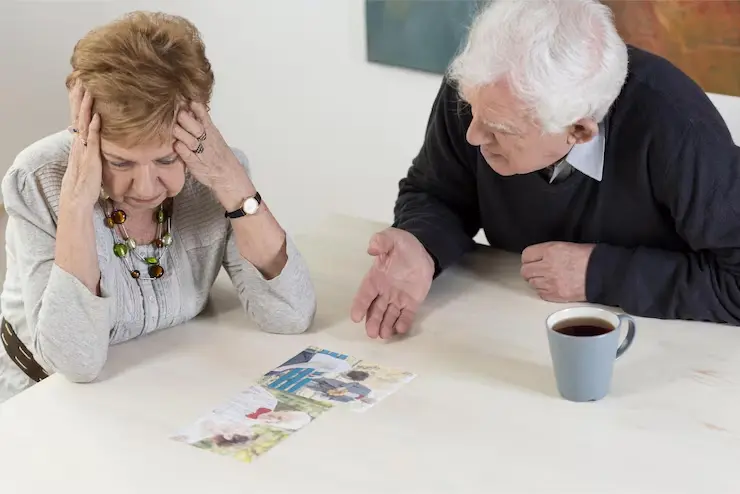
Families often notice changes in an older loved one’s memory and wonder whether they are seeing normal aging vs dementia. Occasional forgetfulness, slower recall, or needing more time to learn something new can happen with age. Repeated confusion, unsafe decisions, and difficulty completing familiar tasks may indicate a condition that requires medical evaluation. This guide explains what families should watch for and when to seek help.
Key Takeaways
- Occasional forgetfulness that does not interfere with daily life can be part of healthy aging.
- Dementia is not a normal or inevitable part of getting older.
- Memory changes become concerning when they affect safety, judgment, communication, or familiar routines.
- Mild cognitive impairment causes noticeable changes but may not significantly limit independence.
- A medical evaluation is the best way to identify the cause of worsening memory problems.
What Is Aging?
Aging is the gradual process of physical, mental, and social change throughout life. It may affect strength, hearing, vision, sleep, reaction time, and how quickly the brain processes information. However, people age differently, and reaching an advanced age does not mean someone will develop serious memory loss.
What Is Healthy Aging?
The World Health Organization defines healthy aging as developing and maintaining the functional ability that supports well-being in older age. A person does not need to be free from every illness to age well. Well-managed conditions may have little effect on the ability to live meaningfully.
According to WHO, signs of functional ability associated with healthy aging include being able to:
- Meet basic needs, such as eating, dressing, and living safely.
- Learn, grow, make choices, and participate in decisions.
- Remain mobile with or without appropriate support.
- Build and maintain meaningful relationships.
- Contribute to family, community, or society.
These abilities depend on physical and mental capacity, the environment, and available support. People of the same age may therefore have very different abilities.
What Affects the Way a Person Ages?
The way a person ages is shaped by more than genetics alone. Physical health, daily habits, social relationships, mental stimulation, and access to care can all influence strength, independence, and cognitive well-being over time. Understanding these factors can help families identify areas where additional support or healthier routines may improve an older adult’s quality of life.
Genetics and Family History
Genes can affect longevity and brain disease risk. Family history may increase risk, but it does not guarantee dementia.
Physical Health Conditions
High blood pressure, diabetes, heart disease, stroke, depression, and hearing loss may affect cognitive health. Managing illnesses and taking medications correctly support the body and brain. The Center for Disease Control (CDC) research identifies high blood pressure and insufficient physical activity among common potentially modifiable dementia risk factors.
Lifestyle Habits
Physical activity, nutrition, sleep, smoking, and alcohol use shape health over time. Regular movement, balanced meals, adequate sleep, and avoiding tobacco support overall function.
Social Connection
Contact with relatives, friends, caregivers, or community groups can reduce isolation, encourage conversation, and help older adults feel valued.
Education and Mental Stimulation
Reading, learning skills, playing games, creating art, and discussing current events keep attention, language, memory, and problem-solving skills active.
Environment and Access to Care
Safe housing, transportation, nutritious food, financial stability, and healthcare access affect aging. The CDC notes that education, healthcare access, physical surroundings, and social isolation may influence dementia risk and health outcomes.
What Should Families Expect as a Loved One Ages?
The brain changes with age, but normal brain aging vs dementia is distinguished by the degree of change and its effect on daily life. Healthy older adults may need extra recall time but usually manage responsibilities and remember later.
A Mayo Clinic Study of Aging followed 1,390 cognitively normal adults for an average of five years. Sixty-nine percent remained cognitively normal, 29 percent developed mild cognitive impairment, and 3 percent developed dementia. These results show that serious decline is not universal.
Slower Recall
An older adult may need more time to remember a name, word, or location of an item. The information often returns later, especially with a helpful cue.
More Difficulty Multitasking
Switching quickly between activities may become harder. A person may prefer to finish one task before starting another but can still complete familiar tasks accurately.
Needing Repetition When Learning Something New
Learning a new phone, appliance, route, or process may require practice. This is less concerning when the person improves with repetition and can use the skill afterward.
Occasional Misplacement of Items
Keys, glasses, or a phone may be left in an unusual but understandable place. A person with ordinary forgetfulness can usually retrace steps and find the item.
Temporary Forgetfulness During Stress or Fatigue
Poor sleep, grief, anxiety, illness, pain, dehydration, and medication effects can reduce attention and memory. Sudden confusion should not be dismissed as aging because infection, medication reactions, stroke, or other conditions may require prompt care.
What Are the Different Levels of Memory Loss?
Families should watch the frequency, progression, recovery, and effect of memory changes on independence.
- Occasional age-related forgetfulness: A name, date, or appointment is briefly forgotten but remembered later.
- Subjective cognitive decline: The person feels that thinking has worsened, although testing may not show impairment.
- Mild cognitive impairment: Changes are noticeable and measurable, but the person remains largely independent.
- Dementia: Decline in memory, language, judgment, or other thinking skills interferes with daily functioning.
Mild Cognitive Impairment
Mild cognitive impairment, or MCI, falls between expected age-related change and dementia. A person may lose items more often, forget appointments, repeat questions, or struggle to find words. However, many people with MCI can still manage meals, medication, transportation, finances, and personal care.
MCI does not always progress to dementia. Some people remain stable or improve when a contributing health problem is treated. Medical follow-up can track change over time.
Dementia
Dementia is an umbrella term for a decline in thinking abilities severe enough to interfere with everyday life. It may affect memory, language, attention, judgment, behavior, or familiar tasks. Alzheimer’s disease is one cause, but vascular disease and other conditions can also lead to dementia.
Not every older adult develops dementia. Age raises risk, but dementia is not an expected result of growing older. A doctor may review history, medications, mood, sleep, hearing, daily function, and symptom progression, then use examinations, laboratory tests, cognitive assessments, or imaging when appropriate.
Signs of Dementia Compared With Normal Age-Related Memory Loss
Understanding the signs of dementia vs normal aging requires looking at patterns rather than isolated mistakes. When comparing normal aging vs dementia, focus on whether the person recovers from a lapse and whether the change disrupts daily life.
- Recent information: Normal aging may involve forgetting an appointment and remembering later. Dementia may involve repeatedly forgetting recent events.
- Daily tasks: Normal aging may require help with a new device. Dementia may make a familiar recipe, route, bill, or household task difficult.
- Time and place: Normal aging may involve briefly forgetting the day. Dementia may cause someone to become lost in a familiar area.
- Language: Normal aging may cause occasional word-finding trouble. Dementia may interrupt conversations or cause familiar objects to be named incorrectly.
- Misplaced items: Normal aging may involve losing an object and retracing steps. Dementia may involve placing items in inappropriate locations without knowing how.
- Judgment: Normal aging may include an occasional poor choice. Dementia may cause repeated unsafe spending, scams, unsafe driving, or neglected hygiene.
- Mood and behavior: Normal aging may bring preferences for routine. Dementia may cause marked suspicion, fear, withdrawal, agitation, or personality change.
- Independence: Normal aging usually allows daily responsibilities to continue. Dementia progressively reduces safe, independent functioning.
These dementia vs normal aging differences cannot provide a diagnosis, but they can help families document concerns. Repeated questions, poor judgment, and difficulty with familiar tasks are also included among the early signs of dementia. Medical advice is recommended when changes affect memory, planning, familiar tasks, time, language, judgment, or behavior.
How Can Families Support Memory and Healthy Aging?
Families can protect health, encourage independence, and create routines that make daily life safer and easier to navigate.
- Encourage walking, chair exercises, stretching, or other doctor-approved movement.
- Support balanced meals, hydration, and regular sleep.
- Organize medications and review them with a healthcare professional.
- Arrange hearing and vision checks.
- Use calendars, labeled storage, reminder notes, and simple schedules.
- Encourage puzzles, reading, music, crafts, gardening, cooking, and storytelling.
- Plan family visits, community programs, and social activities.
- Reduce fall hazards, improve lighting, and secure unsafe areas.
- Record concerning incidents, including dates and effects on daily tasks.
The early signs of dementia vs normal aging are easier to identify when relatives compare observations over several weeks. Schedule a healthcare appointment when changes are repeated, worsening, or affecting medication, meals, hygiene, finances, driving, wandering risk, or safety.
When reminders are no longer enough, Vista Living’s memory care in Phoenix can provide structured routines, cognitive engagement, wellness monitoring, and personalized support. Vista Living also offers dementia care in Phoenix in a calm, home-like setting with consistent staffing and family communication.
Know the Difference and Take the Next Step
Recognizing normal aging vs dementia means looking beyond an occasional forgotten name or misplaced pair of glasses. Families should watch for patterns, progression, and loss of independence. When changes interfere with familiar tasks, judgment, communication, or safety, a medical evaluation can identify possible causes and guide the next steps.
Vista Living supports older adults through personalized routines, meaningful activities, attentive supervision, and compassionate memory support. Call 602 456 1919, email info@vistaliving.net, or visit our contact page to ask questions or schedule a tour.